

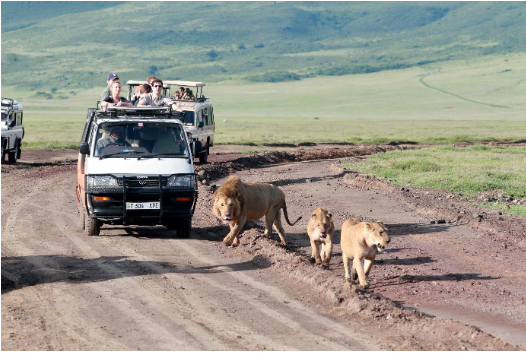
Safety is something travellers rarely see in photographs of a Tanzania Safari, yet it sits quietly behind every peaceful moment in the bush. Guests often marvel at how calm they feel in a place filled with lions, elephants, and vast open landscapes. That calm has a structure behind it. There are systems, routines, and trained people who keep watch long before you even step into a safari vehicle.
Understanding how these safety layers work enhances the entire experience. It also builds trust. When travellers know what guides and camps do each day to keep them protected, the journey becomes less mysterious and more meaningful.
The Foundation of Safety Starts Before the Safari
For most visitors, safety begins before leaving home. A safari involves travel, changing weather, and remote terrain, so Tanzania Tour Operators guide travellers through a short checklist to help avoid common problems.
Guests are usually encouraged to:
- Carry valid travel insurance
- Pack comfortable neutral coloured clothing
- Follow basic health advice
- Keep important documents ready
- Read a simple Tanzania Safari Packing List
These early steps may feel small, but they reduce risks later. In a destination where long distances and remote parks are part of the charm, preparation is one of the first lines of protection.
Training That Influences the Safari Experience
When people imagine Safari in Tanzania, they often picture the vehicle itself. Yet the most critical part of safety is the driver behind the wheel. Guides go through years of training before leading game drives. They study animal behaviour, navigation, driving skills, radio communication, and outdoor first aid.
Good guides do more than follow tracks. They read the landscape’s mood. They know when an elephant herd feels relaxed or unsettled. They understand safe distance, quiet presence, and how to position the vehicle so guests have a clear view without creating pressure on the animals.
Their experience becomes the invisible shield of the safari.
Vehicles Built for Safety in Rough Terrain
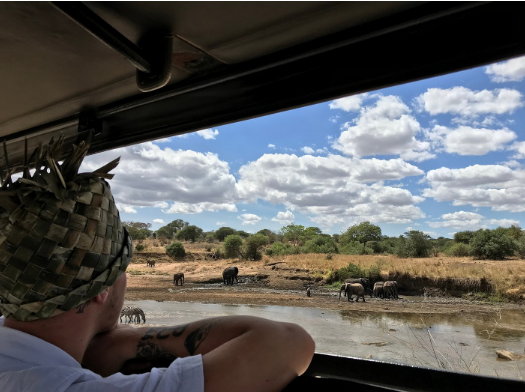
A safari vehicle is designed for strength and stability. It needs to handle rain, mud, steep slopes, and soft soil without risk. Most vehicles used on Tanzania Safaris include features like:
- Raised chassis for better visibility
- Strong suspension
- Large viewing windows
- Open roofs for safe wildlife viewing
- Reliable radio systems
- Seat belts for all passengers
Each Tanzania Safari Vehicle is checked daily. This routine looks simple on the surface, but it prevents mechanical issues that could pose risks in national parks. Even a small check, like looking at tyre pressure or water levels, becomes essential when the nearest workshop might be hours away.
Park Rules That Protect Wildlife and Travellers
Every protected area has strict rules. They exist to create balance. They ensure that travellers enjoy the Best Safari Tours In Tanzania without disturbing animals. Some of these rules include:
- Staying inside the vehicle during game drives
- Keeping distance from predators
- Not feeding animals
- Avoiding loud noises
- Respecting designated paths
- Leaving no waste in the wild
These guidelines are not limiting. Instead, they allow travellers to enjoy the wilderness safely while preserving animal behaviour in its natural state.
Camps With Quiet but Reliable Safety Standards
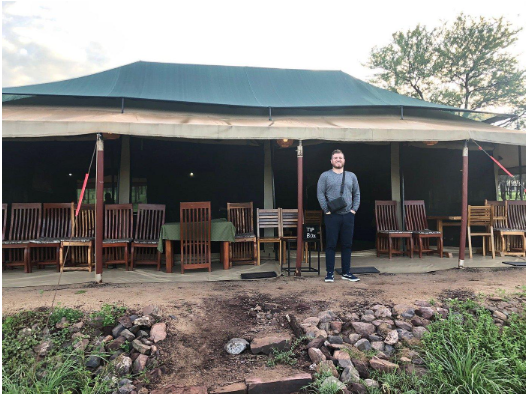
Safari camps often appear relaxed and open to nature. Guests may see lanterns, canvas tents, and night skies full of stars. What they do not always see are the safety layers that operate quietly in the background.
Most Tanzania Safari Camps include:
- Trained watch teams during the night
- Clearly marked walkways
- Radio communication for staff
- Secure food storage to avoid attracting wildlife
- Professional chefs who follow safe food practices
- Emergency kits and trained first aid responders
Even the small detail of escorting guests after dark is part of these systems. It prevents unexpected encounters and keeps nighttime movement controlled.
Understanding Animal Behaviour as a Safety Tool
The central part of a Tanzania Safari Experience lies in watching animals in their natural environment. Knowing how they behave is one of the strongest safety tools. Guides often pay attention to signals such as:
- Ear position
- Foot stamping
- Tail movement
- Reaction to vehicles
- Protective behaviour of mothers
- Territory signals from big cats
These cues help guides choose the proper distance and timing. For example, stopping too close to a resting lion can change the animal’s behaviour. Approaching an elephant family the wrong way can create stress. Skilled guides sense these moments early and adjust.
Emergency Response Systems in Remote Areas
While safaris are generally safe, camps also prepare for unexpected situations. Most reputable operators have access to:
- Satellite phones
- Park ranger support
- Medical evacuation plans
- First aid equipment
- Strong communication networks within the park
These systems are rarely used, but they provide confidence. In remote places, quick communication can make a difference in case of illness, injury, or vehicle trouble.
Eco Practices That Support Long-Term Safety
Safety not only protects travellers. It also protects wildlife and landscapes. Good operators follow eco-practices that keep Tanzania’s National Parks healthy for future travellers. These practices include:
- Proper waste management
- Minimal water usage
- Respect for animal corridors
- Responsible fuel and resource use
- Community partnerships that reduce human-wildlife conflict
The more balanced an ecosystem is, the safer it becomes for both animals and visitors.
Safety in the Little Moments Too
Sometimes, safety is not dramatic. It is quiet. It happens when a guide reminds guests to secure their bags. It appears when the staff tells someone not to walk alone at night. It is present when the vehicle slows rather than rushing toward a sighting.
These moments may seem small, but they build trust. They show how deeply safari teams care about the comfort and protection of every guest.
Why These Systems Matter
Travellers often describe Africa’s wilderness as peaceful. That feeling does not appear by chance. It comes from careful planning, consistent rules, and experienced people who work with respect for nature. When guests understand the effort that goes into these systems, their safari becomes more than a trip. It becomes a partnership with the wild, guided by knowledge and steady care.
Plan Your Safari with Best Day Safaris
When safety, comfort, and genuine care matter, choose Best Day Safaris for your private Tanzania Safari Tour. Their experienced guides, well-maintained vehicles, and thoughtful planning ensure you enjoy the wild with confidence. Let the team show you the true meaning of a safe and beautiful safari in Tanzania.
