

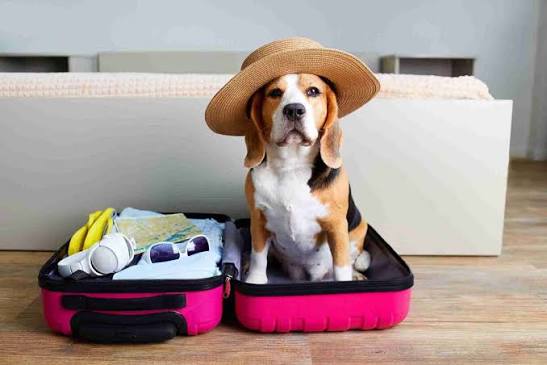
A trip with a pet can be rewarding, but it takes more preparation than packing an extra bowl. Transport rules, accommodation policies and unfamiliar surroundings all affect how comfortable and safe the journey will be. A little planning before departure can prevent last-minute surprises and leave more time to enjoy the destination together.
Decide whether your pet should travel
Start with your pet’s health, temperament and routine, rather than the destination. Some animals handle new places and journeys calmly; others find noise, confinement or changes in schedule stressful. Age, medical needs and the length of the trip matter too. Ask your veterinarian whether travel is appropriate, especially if your pet is very young or old, has a chronic condition, or has not travelled before.
For a short trip, a reliable sitter may be kinder than bringing an anxious animal along. For a longer stay, or a trip where your pet can comfortably join your activities, travelling together may make sense. Be honest about the daily commitment: pets still need meals, toilet breaks, exercise and quiet time when you would rather be sightseeing.
Check the rules before booking
Transport providers set their own requirements for pets. Check the rules for your specific route and vehicle before paying for tickets. Ask about carrier dimensions, where animals may ride, advance reservations, fees and any limits on the number or type of pets. Do not assume that a policy on one train, ferry or airline applies to another.
Accommodation needs the same careful check. A “pet-friendly” label may still come with restrictions on size, species, room type or leaving an animal unattended. Confirm the policy directly, including any cleaning deposit, and ask where pets are allowed on the property. If you are travelling internationally, research entry requirements well ahead of time; vaccinations, identification documents and health certificates can require appointments and advance preparation.
Make the journey familiar
Pack the basics your pet already uses: food, a leash or harness, waste bags, medication, a portable water bowl and a familiar blanket or toy. Keeping food consistent can help avoid stomach upset. Bring enough for delays as well as the planned journey, and store medication according to its instructions.
If a carrier is required, introduce it at home in small, positive steps before departure. Let your pet explore it, rest inside and associate it with treats or meals. On travel day, secure the carrier as directed and make sure there is suitable ventilation. Never leave an animal alone in a parked vehicle, where temperatures can become dangerous quickly.
Plan breaks around your pet’s needs, not just the quickest route. Offer water and opportunities to stretch or toilet where it is safe and permitted. Keep cats and small animals secured during stops, and use a leash before opening a car door. A frightened pet can bolt into traffic or an unfamiliar area in seconds. A current ID tag and a recent photo can help if you become separated.
Settle in before exploring
At your accommodation, give your pet time to adjust to one room before introducing the whole space. Put familiar items in a quiet spot and keep feeding and walking times as close to normal as possible. Check doors, windows, balconies and fences for escape routes. Ask the host about local leash rules, nearby walking areas and emergency veterinary care.
Build the itinerary around activities that genuinely suit your animal. A long, crowded day may be tiring even for a dog that enjoys walks. Look up local access rules for parks, beaches, public transport and attractions, and have a backup plan for places that do not allow pets. Never leave a pet unattended in a room unless the accommodation explicitly permits it and your animal is comfortable being alone there.
Share useful pet-travel experience
Travel writers and pet owners can help one another by sharing practical details: how a route handled carriers, what a lodging policy actually meant, or where a dog could take a quiet break. Specific, firsthand guidance is more valuable than a list of places labelled pet-friendly. If you write about animals and travel, you can explore relevant publishing opportunities through pet guest-posting websites. Choose outlets whose readers would benefit from your experience, and make each contribution informative rather than promotional.
A travel blog also needs occasional upkeep if readers are to rely on its advice. Policies, prices and opening arrangements change, so revisit older guides and correct details that are no longer current. For a broader sense of how long a website update takes, Osdire’s overview explains maintenance tasks, schedules and costs. Even a small, regular review habit can keep useful trip information from becoming misleading.
Leave room for a slower pace
The best pet-friendly trip is not necessarily the one with the fullest itinerary. Allow extra time for breaks, changes in routine and the occasional adjustment of plans. With rules checked, familiar supplies packed and realistic expectations in place, you can focus less on solving avoidable problems and more on sharing the journey.
