

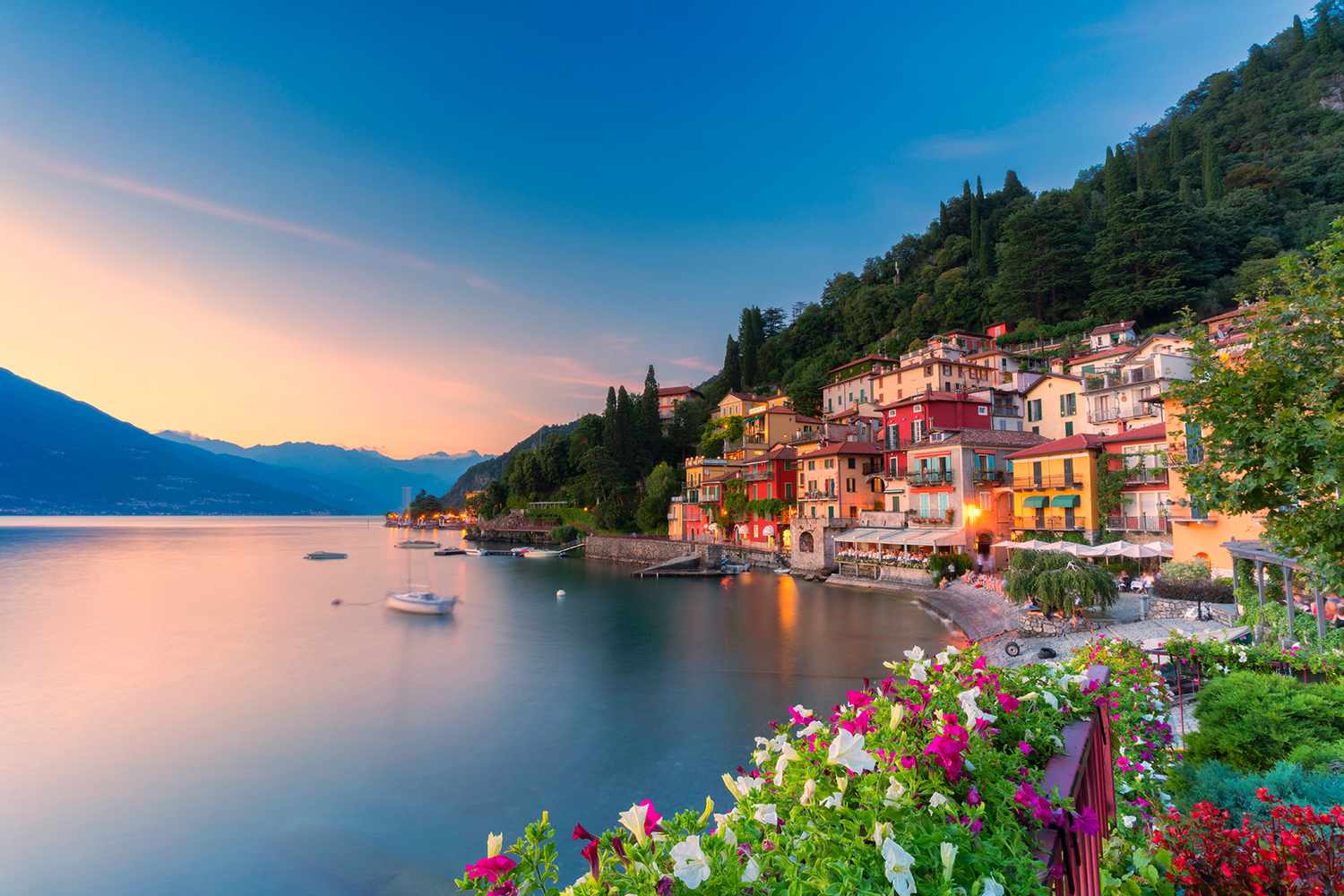
A destination is more than its famous landmarks. It is also the rhythm of a market opening in the morning, the songs people share at a family gathering, and the music drifting from a café after sunset. Paying attention to these sounds can make a trip feel more personal. Instead of simply collecting photographs, you begin to understand how people live, celebrate, and remember.
Listen before you plan
Music can offer a first glimpse of a place before you arrive. A local radio station, a playlist made by residents, or a recording of a traditional performance may introduce instruments and styles you have never heard. These are starting points, not substitutes for meeting people. Still, they can help you notice what to look for once you are there.
Make room for unplanned discoveries. Ask a guesthouse host whether there is a live-music venue nearby, or ask a shopkeeper what events locals enjoy. A small neighborhood performance may be more revealing than a large show designed mainly for visitors. Be considerate, particularly when music is part of a religious or community gathering: check whether visitors are welcome, follow local customs, and ask before taking photos or recordings.
Let music guide your route
Travel plans often revolve around museums, beaches, and scenic viewpoints. A concert, music museum, or festival can add another kind of landmark to the itinerary. In some cities, the venues themselves tell a story: a historic dance hall may reflect migration and changing fashions, while a street performance tradition can show how public spaces are shared.
Build a day around one musical experience without trying to turn every moment into a checklist. Walk through the surrounding neighborhood, try a nearby café, and leave time to talk with people who know the scene. If a festival is the main reason for your visit, check dates and transport well in advance. Smaller events may have limited capacity, and accommodation can fill quickly. For a quieter trip, look for community venues or daytime performances rather than the biggest event on the calendar.
Travel respectfully, not as a collector
It is easy to treat local culture as something to gather: a recording, a souvenir, a story to tell later. A better approach is to participate with care. Pay the admission fee when there is one, buy music directly from artists when possible, and avoid assuming that a performer wants to be filmed. If someone shares a song or explains its meaning, listen without demanding a performance on request.
Learning a little about the music before a trip can also help you avoid broad assumptions. A country rarely has one sound or a single tradition. Regional styles, language, age, religion, and personal taste all shape what people listen to. Let residents lead the conversation, and be open to hearing that a popular tourist image does not describe everyday life.
Keep the experience alive after returning
Once home, a playlist can bring back a journey, but writing about the experience helps preserve the details that a photograph misses. Note where you heard the music, what the setting felt like, and what you learned from the people you met. If you publish travel writing, make the place more than a backdrop. Explain how the experience connects to local life, and be clear about what you observed yourself versus what you were told.
Writers who want to share music-related stories with a wider audience can explore music guest posting websites. The page brings together more than 400 music sites and blogs, giving artists, bloggers, and industry writers a way to look for relevant places to publish. For a traveler, that might mean pitching a thoughtful account of a regional music scene rather than a generic list of things to do. The strongest article gives readers useful context and treats the people behind the music as more than scenery.
When travel meets digital creativity
Some travelers return with an idea for a digital project: an archive of local performances, a ticketing tool for independent venues, or a way to share digital art inspired by a journey. These projects can involve technical decisions as well as creative ones. If an idea depends on blockchain or NFTs, define what the technology is meant to accomplish before hiring anyone. A digital collectible is not automatically valuable just because it uses a new format.
For a project that genuinely needs blockchain expertise, it helps to know how to hire blockchain developer talent with clear deliverables, pricing, and expectations. Osdire’s guide to hiring NFT developers outlines an offer-based approach that can make the process easier to assess. The same practical lesson applies to any travel-inspired project: start with the audience and purpose, then choose tools that serve them.
Music adds another layer to travel because it invites attention rather than hurried sightseeing. Listen with curiosity, support local artists, and carry home a fuller understanding of the place. The best memories may not come from the stage or the landmark, but from the people who helped you hear the destination differently.
